


Innovative Satellite Network for Computed Tomography of Clouds to Improve Climate Predictions Will Be Initiated In Orbit
The first small satellite of the CloudCT network has been integrated, tested and prepared for launch from California in June 2026. This precursor mission will be followed, if successful, by the launch of ten additional CloudCT satellites in 2027, helping to fill gaps in our understanding of clouds and their role in climate.
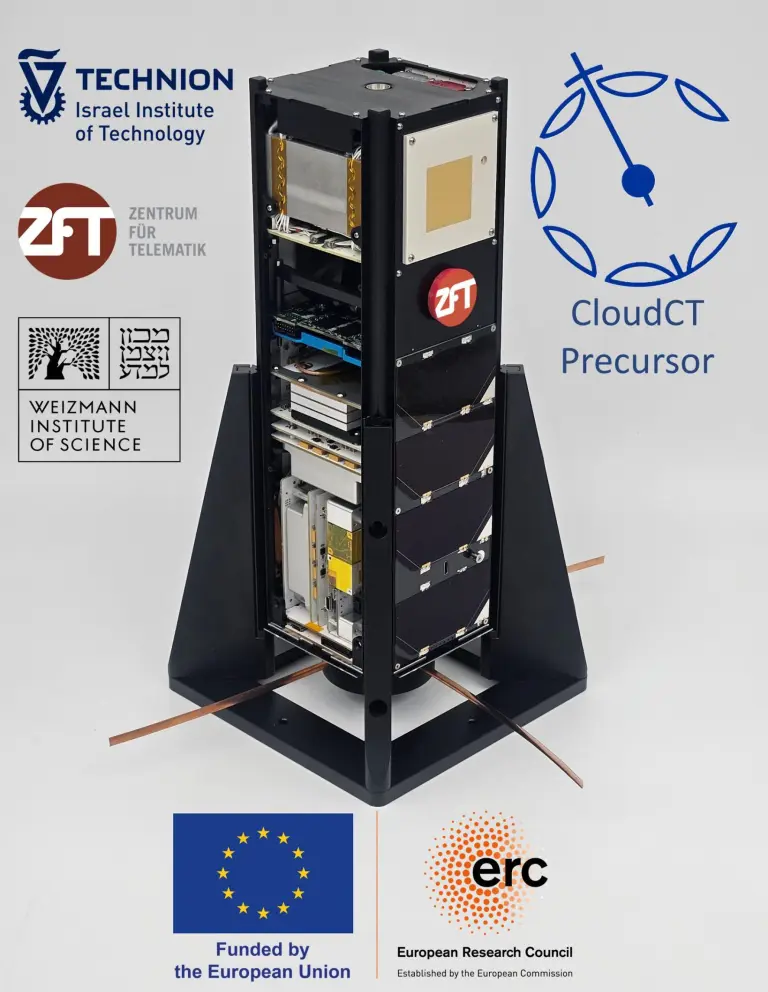
This marks the culmination of seven years of intensive research by Israeli and German scientists from the Weizmann Institute of Science (led by Prof. Ilan Koren), the Technion – Israel Institute of Technology (led by Prof. Yoav Schechner), and Zentrum für Telematik (led by Prof. Klaus Schilling).
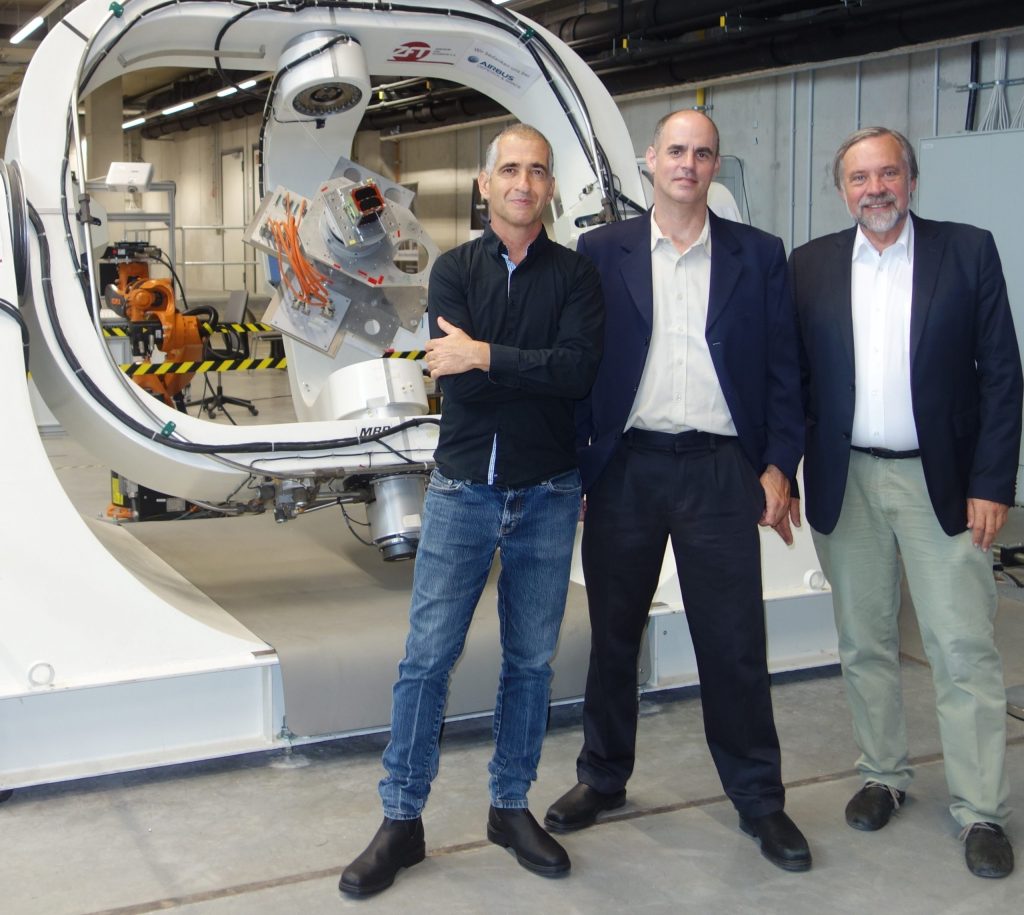
“This mission probes small clouds that are generally missed by today’s remote-sensing technologies,” said Prof. Koren, an expert in atmospheric and climate sciences. “It will address major uncertainties that limit current modeling and climate predictions.”
Following flight tests, the CloudCT Precursor will evaluate its innovative measurement approach in orbit. The nanosatellite, with a mass of about 4 kg, must autonomously orient toward specified target cloud areas. “Achieving the required pointing precision and coordination among ten nanosatellites is very challenging for such a miniature attitude and orbit control system,” explained Prof. Klaus Schilling, President of Zentrum für Telematik, who specializes in realizing high performance small satellites.
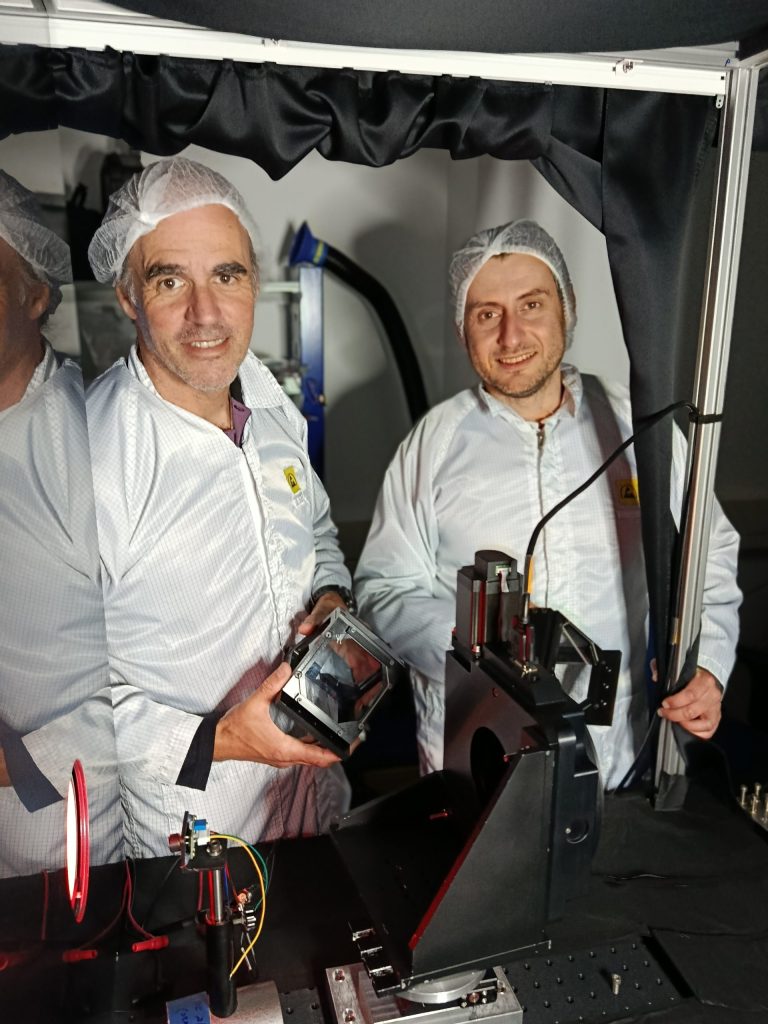
The team has developed an entirely new observation approach, inspired by medical CT (computed tomography), to map the internal three-dimensional structure and properties of clouds, including unprecedented measurements of cloud droplet microphysics. The method uses AI and enables scientists to assess the reliability of the retrieved cloud properties. “Optical CT of clouds requires simultaneous views from space using a specialized camera. The camera is sensitive to polarization, a property of light that our eyes cannot detect, but that provides information about cloud droplets,” said Prof. Schechner, an expert in computational photography from the Andrew and Erna Viterbi Faculty of Electrical and Computer Engineering. “The camera was designed specifically for CloudCT, and we will test it during the upcoming precursor mission.”
The European Research Council (ERC) enabled this achievement through an ERC Synergy Grant, one of the EU’s most prestigious research awards. The AI-based CloudCT observation methods, as well as new discoveries in cloud physics and advances in satellite technology, have been reported in leading scientific journals.
