


Body Repairs Itself in a Way We Never Knew: Aged Cells Revert to Stem Cells
Discovery implies the possibility of tissue regeneration without transplants, by activating natural mechanisms
Researchers at the Technion have uncovered a surprising natural mechanism through which the body repairs itself: contrary to what was previously believed, mature, aged cells retain an extraordinary ability to “turn back time” and revert into active stem cells that regenerate damaged tissue.
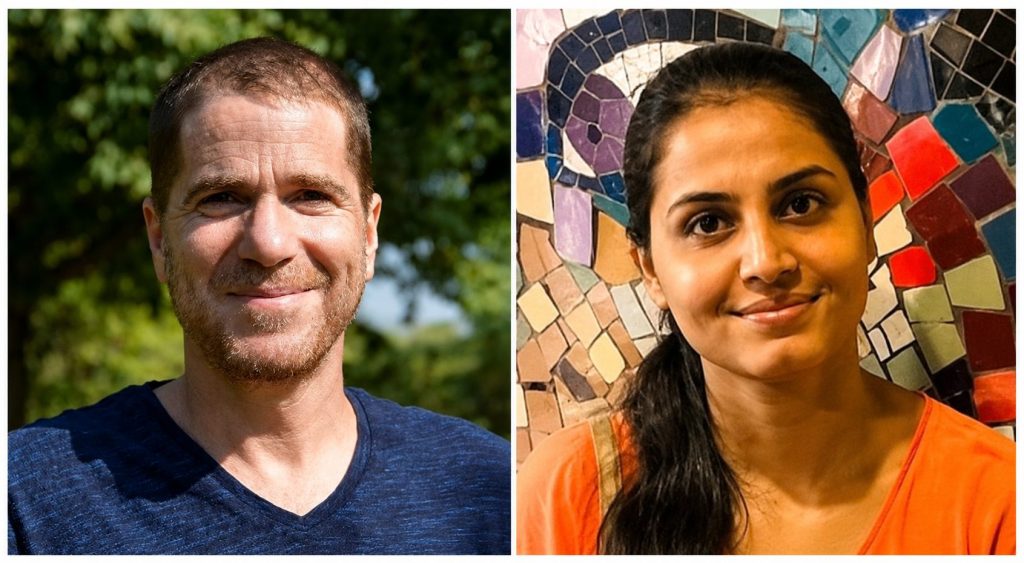
Dr. Shalini Dimri-Wagh
The discovery, published in Nature Communications, challenges the prevailing view that the loss of stem cells in a tissue is an irreversible process that inevitably leads to tissue collapse and disease. According to this notion, significant regeneration of damaged tissue requires transplantation of external cells. The Technion researchers show that this is not entirely accurate and that the body itself can activate an internal “reprogramming” mechanism for repair.
In the study conducted by Prof. Ruby Shalom-Feuerstein and Dr. Shalini Dimri-Wagh from the Ruth and Bruce Rappaport Faculty of Medicine, the researchers used an innovative system that enabled them to label stem cells in the transparent cornea with a range of fluorescent colors and track their activity in living mice (Figure 3). The system also allowed them to eliminate the stem cells and examine the tissue’s ability to regenerate.
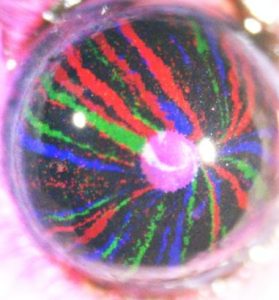
Live tracking of stem cell activity using genes that produce fluorescent proteins. These stem cells, located at the periphery of the cornea, normally divide about twice a week, generating young cells that slowly migrate toward the center of the eye surface while progressively aging along the way. The researchers were surprised to discover that destruction of all corneal stem cells is efficiently repaired, resulting in the formation of a new stem cell population.
“We were surprised to discover that the cornea can regenerate itself even after the destruction of all its stem cells,” said Prof. Shalom-Feuerstein. “What is even more surprising is the repair process itself. Following injury, even mature, aged cells undergo reprogramming and become stem cells that function throughout life and prevent disease development (Figure 4). In other words, the body has a remarkable ability to replenish its own stem cell reservoir, a capacity usually attributed only to simple organisms that can, for example, regrow amputated limbs. While the ability to regenerate entire organs was indeed lost in complex organisms such as humans, our study shows that part of this capacity remains. This means that instead of relying solely on transplants or external interventions, we may one day be able to activate natural mechanisms that already exist within the body and harness them for healing.”
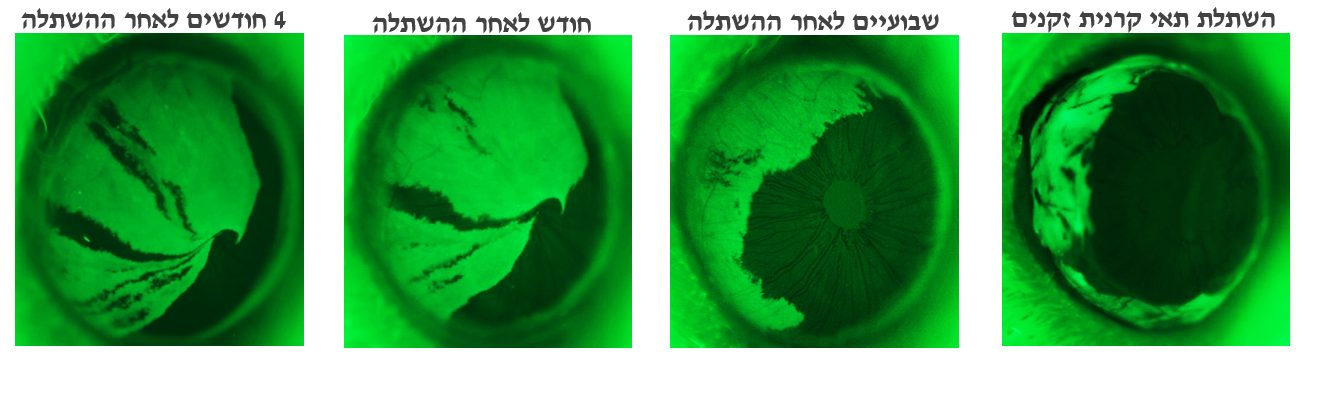
The researchers found that the reprogramming process is not merely temporary: the newly formed cells function as stem cells over very long periods and enable lasting tissue repair. They also identified a key component driving the process: immune system cells, particularly macrophages, which typically arrive at injury sites to fight bacteria, play an additional and central role in activating regeneration. By secreting signaling molecules, they trigger the rejuvenation of aged cells and their transformation into stem cells.
The potential implications are far-reaching. Understanding this mechanism represents a breakthrough that could lead to therapies promoting the body’s natural ability to heal tissues after injury or disease, potentially eliminating the need for transplants. In tissues such as the cornea, where stem cell damage can lead to severe visual impairment and even blindness, this could have major clinical significance.
The researchers emphasize that the study was conducted primarily in mice, although the results in human corneal cells are encouraging. They are now investigating whether the mechanism also exists and can be applied in humans. “This is a first step toward understanding a natural process that until now was unknown to us,” added Prof. Shalom-Feuerstein. “The next challenge is learning how to control it and how to use it for regenerative medicine.”
To read the full article, click here
