

Between the Heart and Cancer
Technion Researchers reveal complex interactions between heart disease and cancer, in the hope that their findings will lead to improved treatment for both conditions
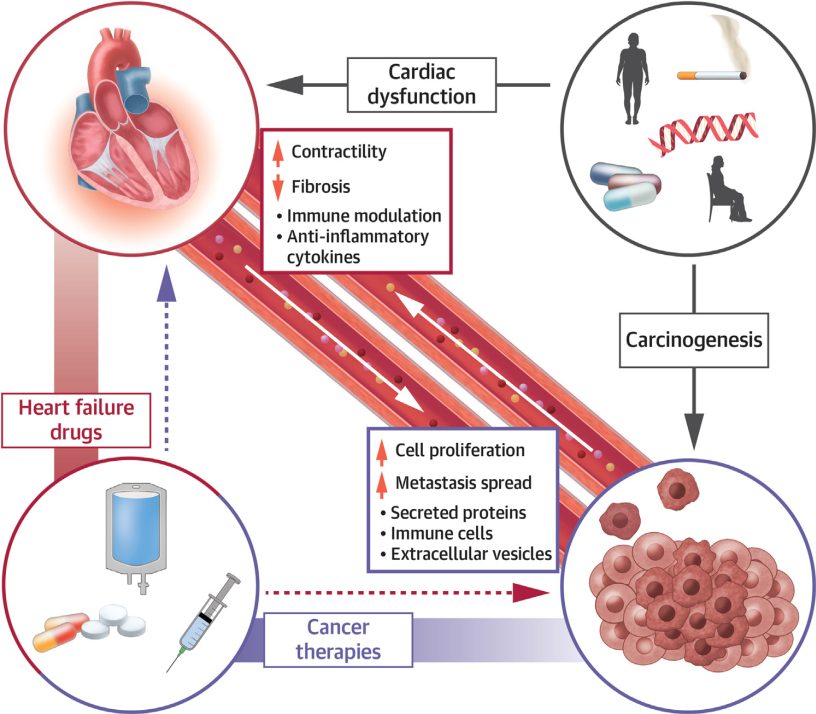
A surprising new discovery by Prof. Ami Aronheim and his team at the Technion–Israel Institute of Technology shows that, in the absence of anti-cancer treatments, cancer development may actually improve heart function and reduce fibrosis – the scarring process that stiffens the heart muscle.
This breakthrough is part of a series of findings presented by Prof. Aronheim, dean of the Ruth and Bruce Rappaport Faculty of Medicine, and his research group, which are changing the way scientists understand the complex relationship between heart disease and cancer. Their work was recently published in JACC: CardioOncology, a prestigious journal of the American College of Cardiology and one of the world’s leading platforms in the field.
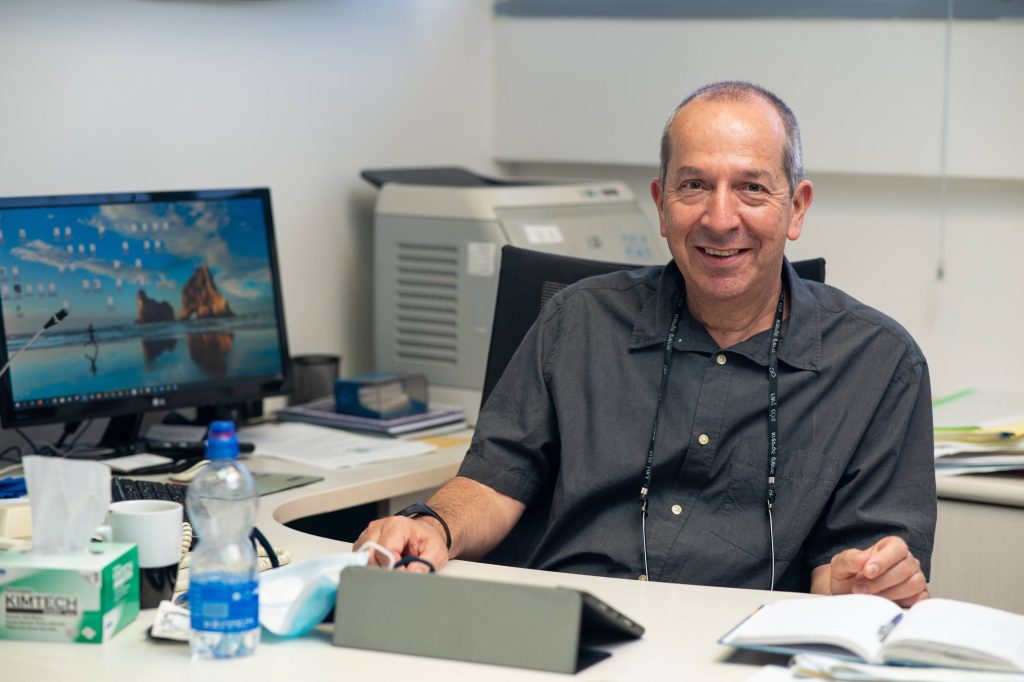
In their article, Prof. Aronheim and doctoral students Lama Awwad and Laris Achlaug, Prof. Aronheim reviewed the two-way relationship between heart failure and cancer. According to Prof. Aronheim, “the fact that anti-cancer treatments impair heart function has been known for many years in the field of CardioOncology. Our goal is to uncover additional links in this context and gain a deeper understanding of the underlying mechanisms. Such understanding will pave the way for innovative treatments that will benefit patients in both groups.”
Both diseases share risk factors, including smoking, obesity, sedentary lifestyle, diabetes, genetic predispositions, and high blood pressure. They are also jointly involved in chronic inflammation, changes in the immune system, and alterations in the extracellular matrix that affect tissue stiffness. Several years ago, Prof. Aronheim’s group found that cardiovascular disease can accelerate cancer progression, cell migration, and metastasis formation.
Currently, no drugs exist that can reverse fibrosis or directly improve the contractile capacity of the heart muscle, and these findings open the door to the development of innovative and groundbreaking therapeutic approaches.
The research was supported by the Rappaport Family Institute for Research in the Medical Sciences.
Read the article here: https://www.sciencedirect.com/science/article/pii/S2666087325001607