


At the Forefront of Global Microscopy: Technion Awarded Prestigious Research Grant
The award in the Planning and Budgeting Committee (PBC) call will enable the Technion to acquire advanced cryogenic (cryo) microscopy systems for the Center for Electron Microscopy of Soft Materials, in collaboration with the Technion Initiative for Human Health
Prof. Tamar Segal-Peretz said: “We will be able to observe phenomena at the molecular level while preserving the molecules’ natural environment, and to examine, for example, how a drug binds to its target protein to carry out its therapeutic activity.”
Six Technion faculty members have secured a Planning and Budgeting Committee (PBC) grant to acquire two of the world’s most advanced electron microscopes, CRYO-TEM and CRYO-FIB-SEM. The project is a joint venture involving seven Technion faculties, the Technion Center for Electron Microscopy of Soft Materials, and the Technion Initiative for Human Health. The grant amounts to approximately NIS 17 million, and with the Technion’s matching contribution, the total investment will reach approximately NIS 25 million. This achievement marks a significant milestone for the center and the Technion as a whole, strengthening their position at the forefront of global research in electron microscopy and structural biology.
The new microscopes are expected to expand the center’s research and service capabilities significantly, enable broad scientific collaborations, and advance groundbreaking research at the Technion and within the scientific community in Israel and worldwide.
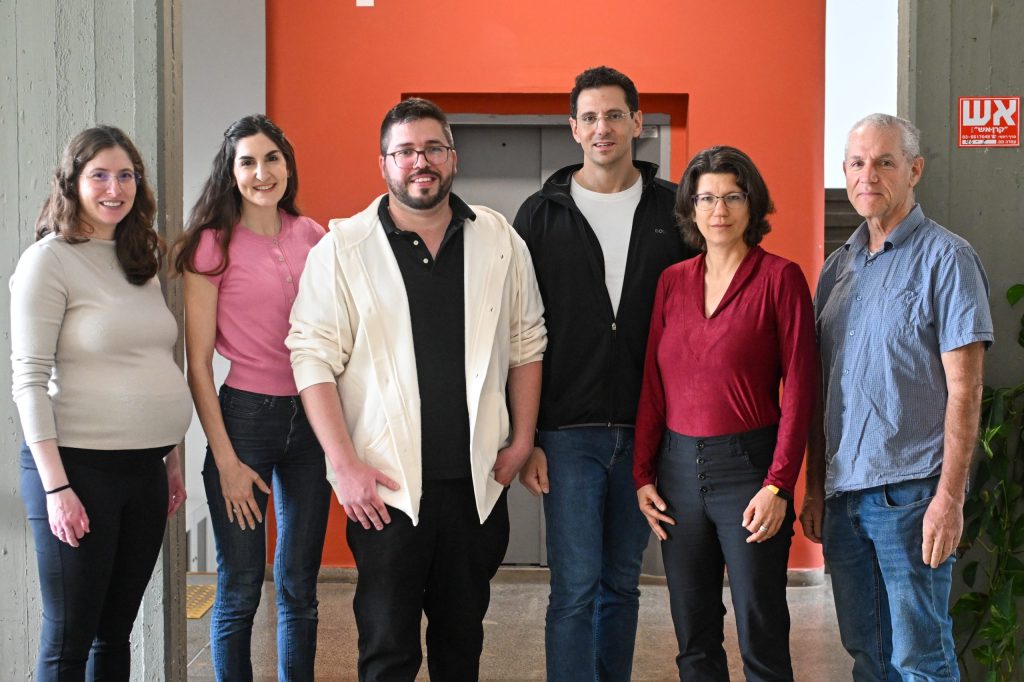
This achievement was made possible through collaboration among leading Technion researchers: Dr. Leeya Engel (Faculty of Mechanical Engineering), Dr. Dvir Harris (Schulich Faculty of Chemistry), Prof. Ido Kaminer (Andrew and Erna Viterbi Faculty of Electrical and Computer Engineering), Prof. Thomas Schultheiss (Ruth and Bruce Rappaport Faculty of Medicine), Dr. Lucy Lieberman, and Prof. Tamar Segal-Peretz (Wolfson Faculty of Chemical Engineering).
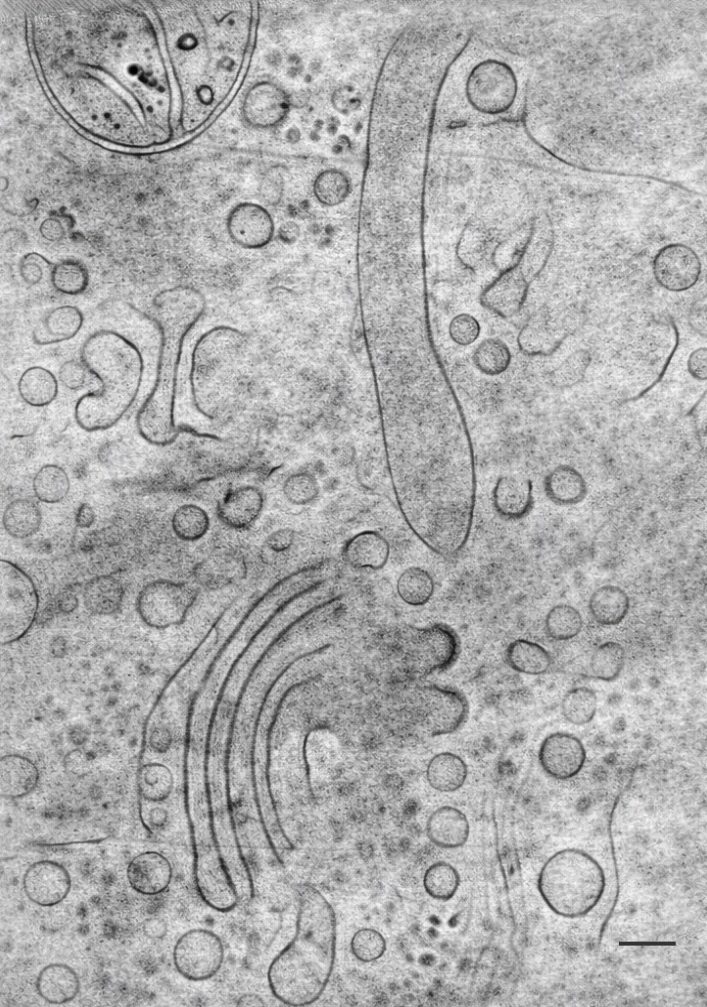
According to Prof. Segal-Peretz, “Using the new instrumentation, Technion researchers will be able to observe a wide range of phenomena at molecular resolution while preserving the natural environment of the molecules by rapidly freezing them to temperatures of minus 170°C. This will make it possible, for example, to see how a drug binds to its target protein to perform its therapeutic function, or how a human cell transports molecules through the nuclear envelope to initiate the expression of specific genes. Another example is deciphering the mechanism by which polymers self-organize to impart desired properties for various engineering applications.”
Photo credit: Rami Shlush

