


AI Tool Developed by Technion and University of Haifa Delivers Real-Time Data to Rescue Teams
The groundbreaking system locates the relevant building permit within municipal archives, rapidly analyzes it, and transmits accessible, actionable information directly to rescuers’ mobile devices
The recent ballistic missile attacks from Iran, which claimed the lives of dozens of Israelis, have underscored the urgent need for rescue teams to access precise, real-time information about damaged buildings and the options for extracting civilians trapped inside. In response, researchers from the Technion and the University of Haifa have developed an AI-based tool that delivers critical data at unprecedented speed.
According to the researchers, every building in Israel is documented through its construction permit. However, many local authorities struggle to retrieve these documents in real time. Even in advanced cities such as Tel Aviv, permits are often printed and physically delivered by courier to support rescue efforts; a time-consuming process that can delay operations and reduce the chances of saving lives.
The innovative tool developed by the Technion and University of Haifa teams retrieves building permits directly from municipal systems, analyzes them, and rapidly provides precise engineering information about the damaged structure. This information is sent directly to rescuers in the field via their mobile devices, enabling more efficient and effective rescue operations. The researchers have already begun collaborating with city engineers in Nahariya and Gedera to help save lives and support residents who have lost their homes.


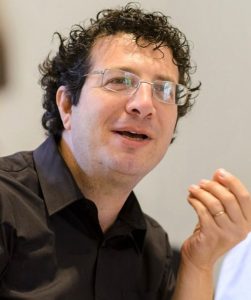

From the Technion, members of the Housing Lab research group participated in the development: Prof. Yael Allweil, Dr. Yiftach Ashkenazi, and architect Tal Sadeh. From the Elijah Lab at the University of Haifa, Prof. Moshe Lavee, and Liat Bonen. The researchers also thank the Nur Lab for facilitating the connection with the Home Front Command.


